
Comfort Shoe Guides for Nurses on Their Feet All Day
Helpful nursing shoe guides for comfort, fit, clinical rules, and buying decisions before choosing work shoes.
Explore Buying GuidesStart With Your Main Shoe Issue
Choose the area that matches what you need help with.

Comfort & Support
Find practical nursing shoe guides for foot discomfort, arch support, cushioning, heel support, and long-shift comfort so you can choose better work shoes.
Explore Comfort & Support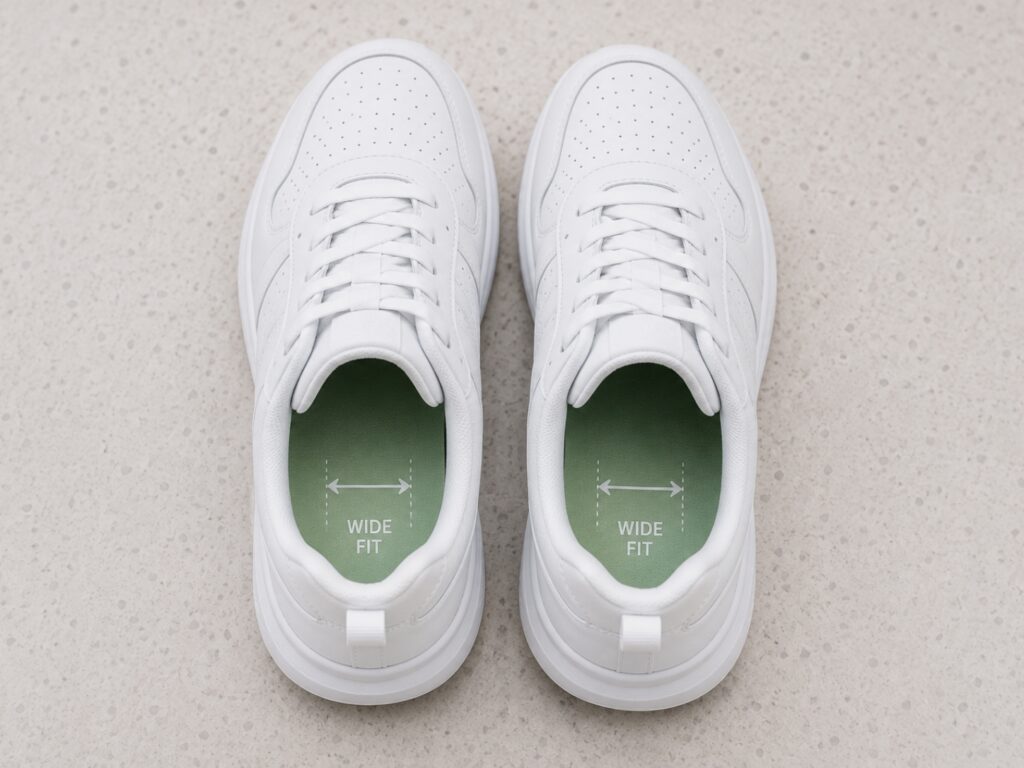
Fit & Wide Feet
Explore nursing shoe fit guides for wide feet, toe box room, swelling, sizing, heel slip, and better long-shift comfort.
Explore Fit & Wide Feet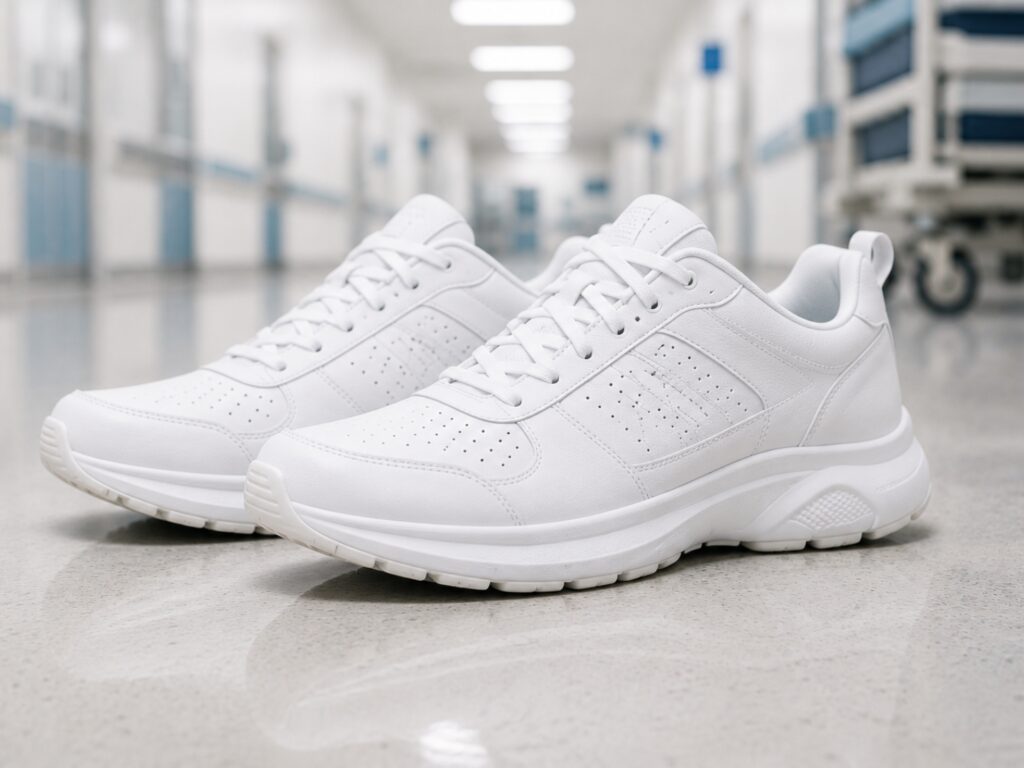
Clinical Rules & Safety
Understand clinical footwear rules, white shoe requirements, closed-toe designs, slip resistance, easy-clean materials, and workplace safety considerations.
Explore Clinical Rules & Safety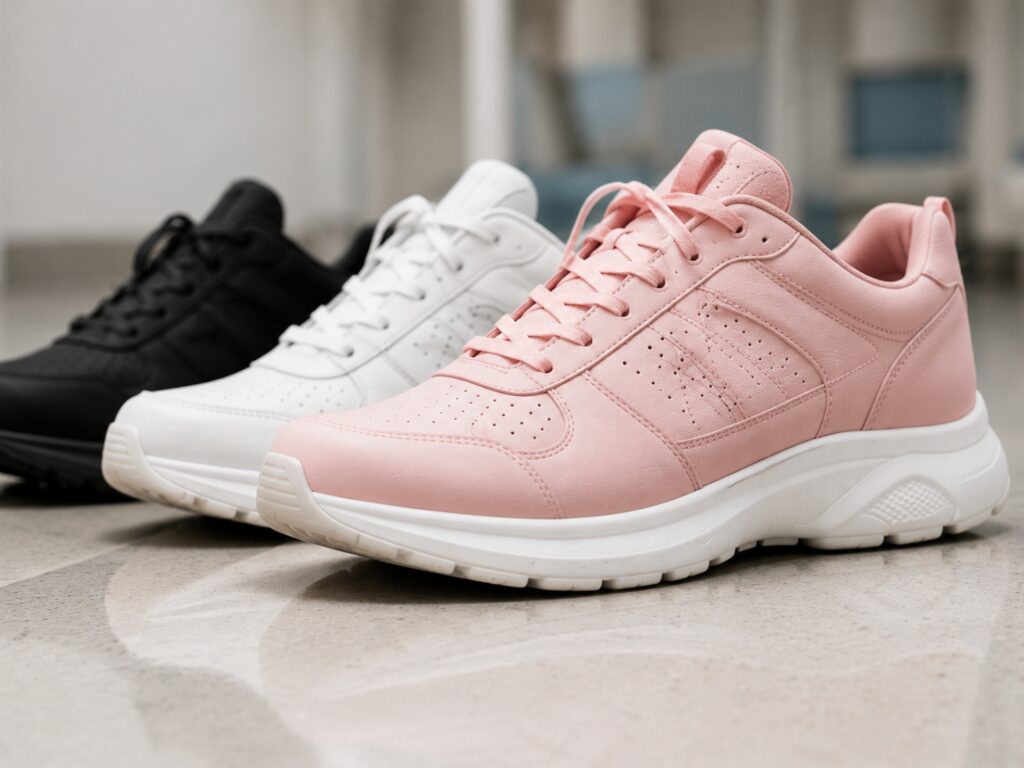
Buying Guides
Compare nursing shoe buying guides, product features, comfort factors, fit details, budget options, and long-shift footwear choices before buying.
Explore Buying GuidesRecommended Nursing Shoe Guides
Hand-picked guides to help you make better footwear decisions.
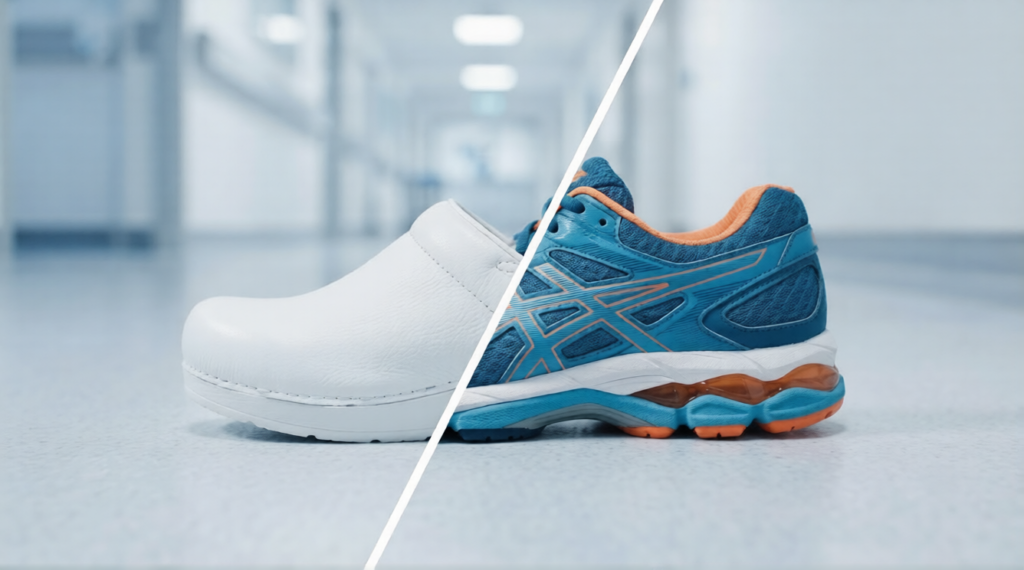 Buying Guides
Clogs vs Sneakers for Nurses: Which Is Better for 12-Hour Shifts?
Struggling with sore feet after a long shift? Discover the ultimate showdown between clogs vs. sneakers to find out which footwear style actually protects your joints, prevents fatigue, and suits your daily workload.
Read Guide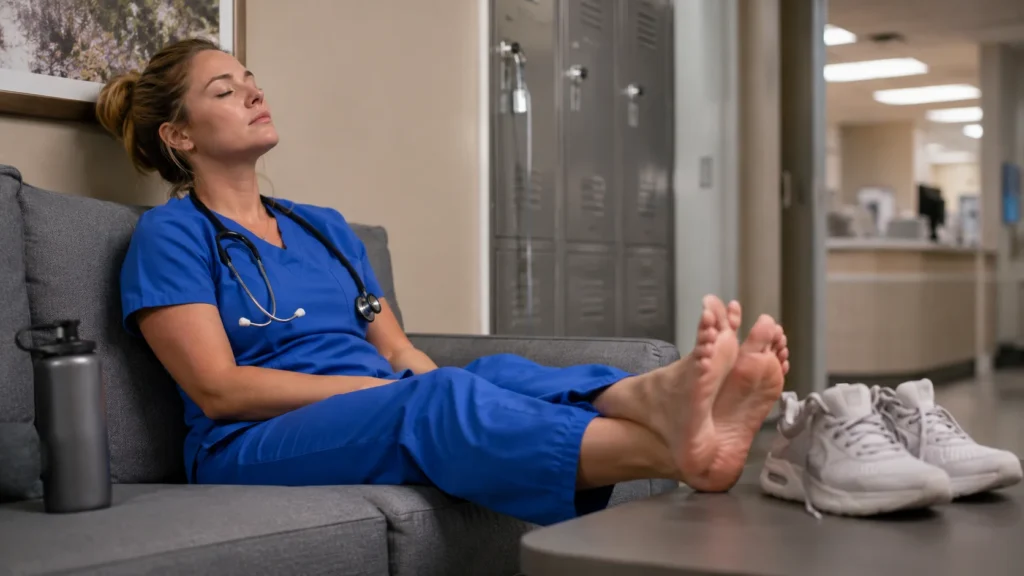 Comfort & Support
Why Do Your Feet Burn After a 12-Hour Shift?
Feet burning after a 12-hour shift is easy to ignore, but the real cause is not always “bad shoes.” Learn how hard floors, shoe fit, cushioning, heat, moisture, and small shift habits can quietly make foot fatigue worse before your next long shift.
Read Guide Comfort & Support
Why Nursing Shoes Hurt Your Toes During Long Shifts
If your nursing shoes feel fine at first but crush your toes by hour 9, the problem may be toe box fit, width, heel slip, or worn cushioning.
Read Guide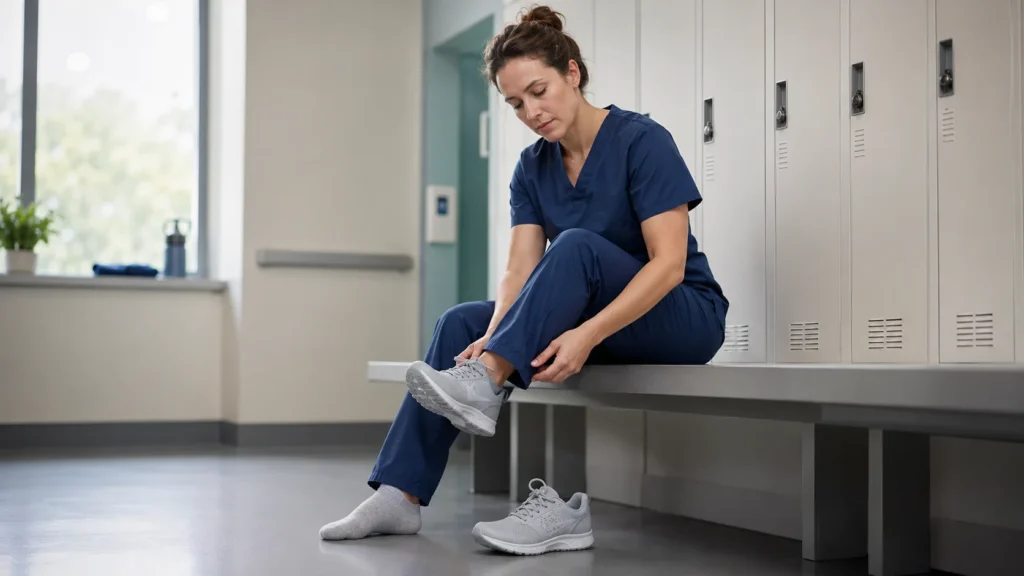 Comfort & Support
Why Nursing Shoes Feel Comfortable at First but Hurt Later
Affiliate Disclosure: StandingSole may earn a commission if you purchase through links on this page, at no extra cost to you. This...
Read Guide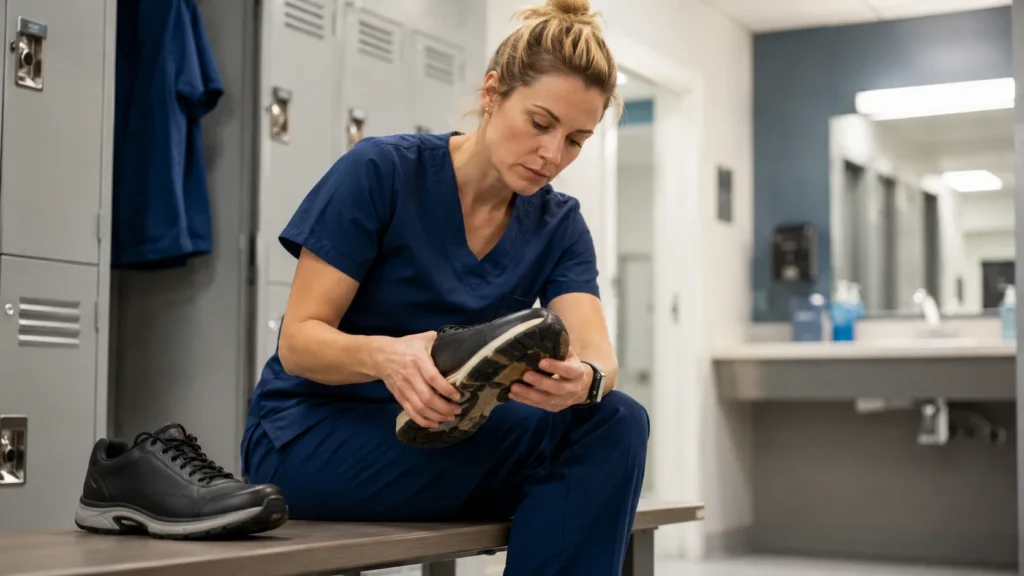 Comfort & Support
How Often Should Nurses Replace Their Shoes?
Your nursing shoes may look fine—but the foam inside could be wearing out. Learn when nurses should replace their shoes and the 5-minute test to check today.
Read Guide Comfort & Support
Why Do Nurses Get Foot Pain After 12-Hour Shifts?
That foot pain after a 12-hour shift may not be just tired feet. Learn the causes, warning signs, and support mistakes nurses should fix before their next shift.
Read Guide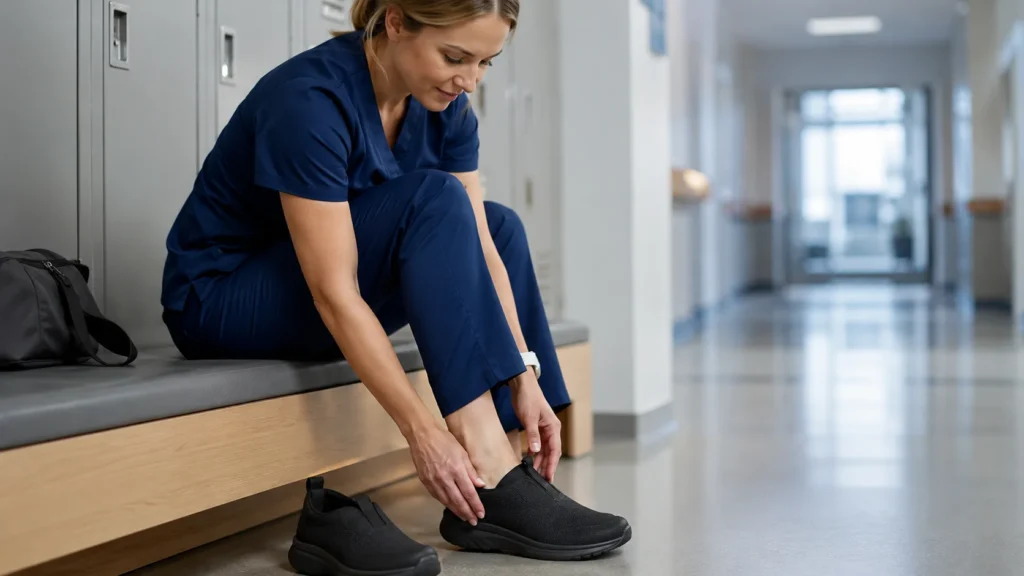 Fit & Wide Feet
Nursing Shoes for Wide Feet: What to Check Before a 12-Hour Shift
If your nursing shoes feel tight before the shift even starts, they may be the wrong fit for wide feet. Here’s what nurses should check before a 12-hour shift becomes painful.
Read Guide Clinical Rules & Safety
White Closed-Toe Clinical Shoes for Nursing Students: What to Check Before Buying
Buying white closed-toe clinical shoes without checking your nursing program rules can lead to wasted money, failed dress-code checks, or uncomfortable clinical days. Here’s what nursing students should confirm before buying.
Read GuideNursing Shoe FAQs
Quick answers to common nursing shoe comfort, fit, and clinical footwear questions.
What shoes are best for nurses on 12-hour shifts?
The best shoes for nurses on 12-hour shifts usually have supportive cushioning, stable arch support, a secure heel, a roomy toe box, and slip-resistant outsoles. Nurses should choose shoes that feel comfortable during long standing and walking hours while also matching their workplace footwear rules.
Do nursing shoes need to be slip-resistant?
Slip-resistant nursing shoes are strongly recommended for hospitals, clinics, and long-term care settings. Nurses often walk on smooth floors where spills, cleaning products, or moisture can increase slipping risk.
What should nursing students check before buying white clinical shoes?
Nursing students should check their school or clinical site footwear policy before buying shoes. Many programs require white shoes, closed toes, closed heels, easy-clean uppers, and slip-resistant soles. Some schools may also restrict mesh, bright logos, clogs, or open-back styles.
Are wide toe box shoes the same as wide-width shoes?
No. Wide toe box shoes give more room around the toes, while wide-width shoes are wider through more of the shoe. Nurses with bunions, swelling, toe pressure, or forefoot discomfort may need one or both depending on their foot shape.
Can better nursing shoes help foot discomfort?
Better nursing shoes can help reduce common discomfort caused by poor cushioning, weak arch support, narrow toe boxes, unstable soles, or worn-out shoes. However, ongoing or severe foot pain should be discussed with a qualified healthcare professional.
How often should nurses replace work shoes?
Many nurses replace work shoes every 6 to 12 months, depending on shift length, walking volume, shoe quality, and visible wear. If the cushioning feels flat, the outsole loses traction, or foot discomfort increases, it may be time to replace them sooner.